Lviv Creative Communities
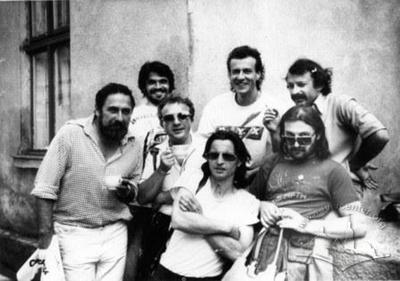
"Lviv Creative Communities" is a research project, dedicated to the relations between spaces, communitites, contexts, and knowledge in the creative environment of late Soviet Lviv.
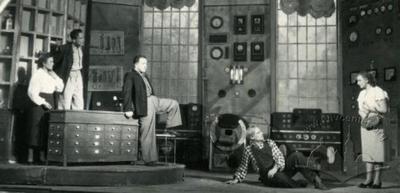
"Lviv Theatres after 1945" is a collection of oral history of Soviet and post-Soviet theatre community of Lviv, which aims to reflect the history of the urban theatrical landscape in the postwar and Soviet periods through the lens of the personal stories of its participants.
The interviews conducted as part of the project show how the void was filled after the social groups, representatives of ethnic or professional communities were evicted by the war and post-war changes.
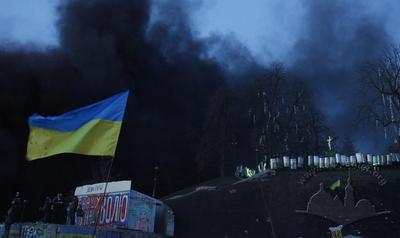
What was it like to be a protester at the Maidan, at different times, in different cities? What did people who joined the Revolution of Dignity believe in, what did they wish to achieve? These are only some of the questions this interview collection tried to answer.
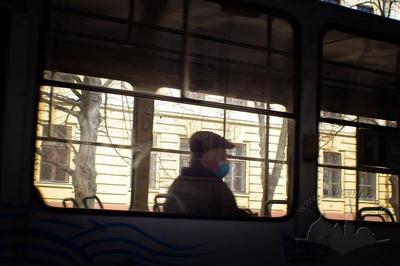
The collection consists of quotes from the texts sent to the competition "Quarantine Experiences", which the Center for Urban History organized in collaboration with the Programs of Cultural Studies, Sociology and Master's Program in History of the Ukrainian Catholic University in 2020.
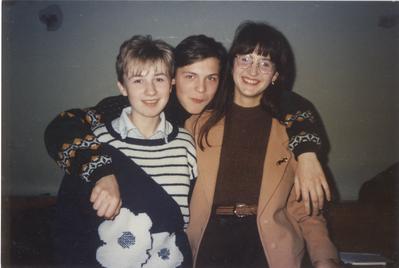
Collection consists of photographs showing street fashion and vestimentary practices. It is a part of the Family Album project, the goal of which is to create a digital collection of street fashion of Ukraine in the XX century which opens new possibilities for researchers.
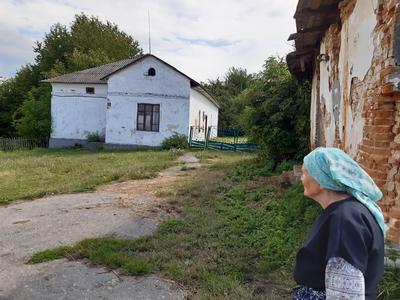
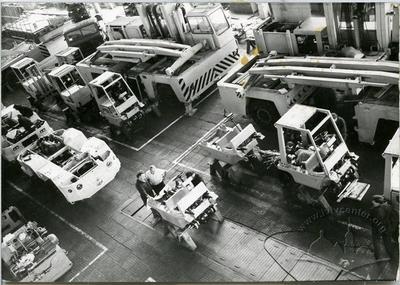
We are collecting biographies of labor – they are not only about work but about people and their lives. The interviewers represent workers from Lviv Bus Manufacturing Plant, Fork Truck Plant, Poliaron, Mikroprylad, “Avtobusprom” Institute of Bus Building, and ”Promin” production.
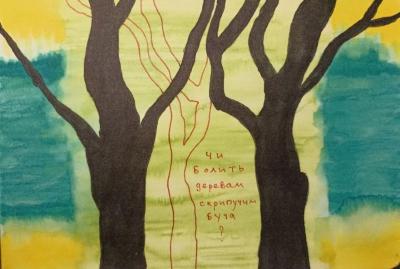
This project records, disseminates, and analyzes Ukrainian experiences of the 2022 war. We envisage that individual feelings, as well as collective experiences, will become an archive – source for the researchers and historians of the future.
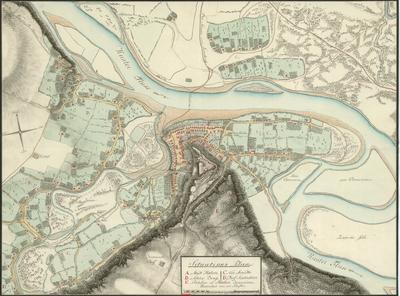
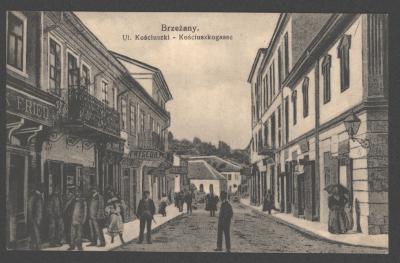
A journey through time via postcards: architecture, landscapes and voices of Western Ukraine's past in a single collection.