Borys Jasynovskyi
17 objects
More
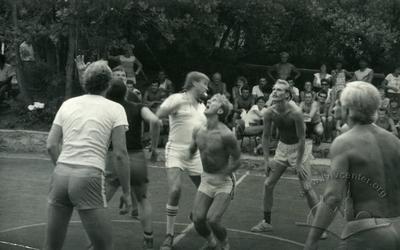
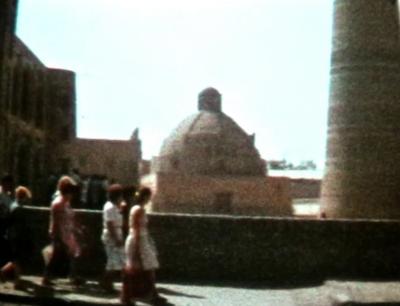
The collection comprises eight 8 mm films from 1970–1995, depicting travel, leisure and everyday life in the late Soviet era. The films document trips within the USSR, notably to Uzbekistan and Crimea, tourist routes, festivals, urban events in Lviv, and collective leisure activities.
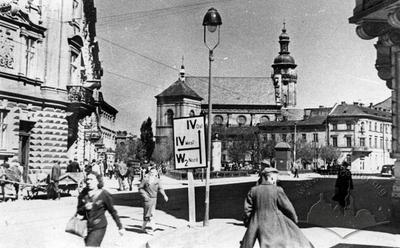
The project “Lviv in the 20th Century: The History of One Street” was one of the first oral history studies implemented by the Center for Urban History. It aimed to document the stories of current residents of Bohomoltsia Street.
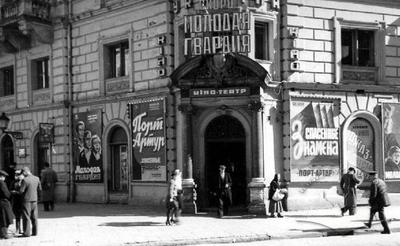
"Movies and Lviv: Communities" – the collection of interviews, dedicated to Lviv movie clubs, which existed in the city during Soviet times and perion of independence.
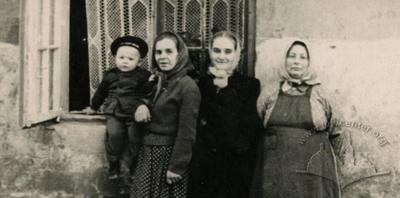
The collection of interviews on post-war Pidzamche, one of the oldest Lviv districts about the relation to the space of home, street, and city in general.
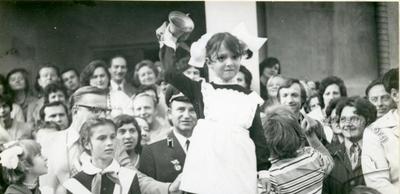
This study is a joint project of the International Renaissance Foundation and the Center for Urban History of East Central Europe implemented as part of a broader international research project on “Region, Nation and Beyond: An Interdisciplinary and Transcultural Reconceptualization of Ukraine”.
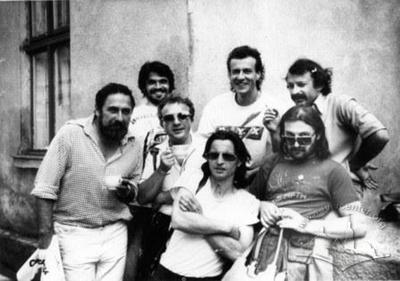
"Lviv Creative Communities" is a research project, dedicated to the relations between spaces, communitites, contexts, and knowledge in the creative environment of late Soviet Lviv.
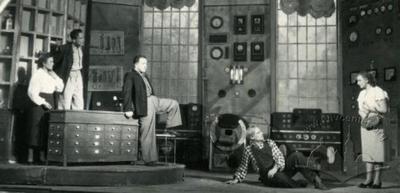
"Lviv Theatres after 1945" is a collection of oral history of Soviet and post-Soviet theatre community of Lviv, which aims to reflect the history of the urban theatrical landscape in the postwar and Soviet periods through the lens of the personal stories of its participants.
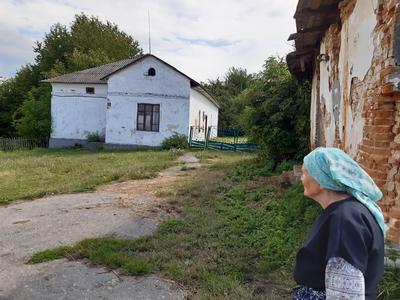
The interviews conducted as part of the project show how the void was filled after the social groups, representatives of ethnic or professional communities were evicted by the war and post-war changes.